Surprising Truths About Modern Muslim Women
Oppressed, mellow, and reserved—these are just a few of the many other generalizations about Muslim women.
Oppressed, mellow, and reserved—these are just a few of the many other generalizations about Muslim women. Perhaps, modern Muslim women have even struggled the most in the Muslim population.
Muslim women face the hardest challenges in this modern world due to the prejudices rooted in religion, gender equality, and migration. Needless to say, these stereotypical comments are unjust and hurtful—which should change now.
This International Women’s Day, let’s defy the prejudices thrown on Muslim women’s way by showcasing who they are behind that hijab or niqab. Let’s break away from the stereotypes and injustices by revealing some facts about Muslim women.
1. Essential Facts about Muslim Women
2. Their clothes and headscarves are not symbols of oppression
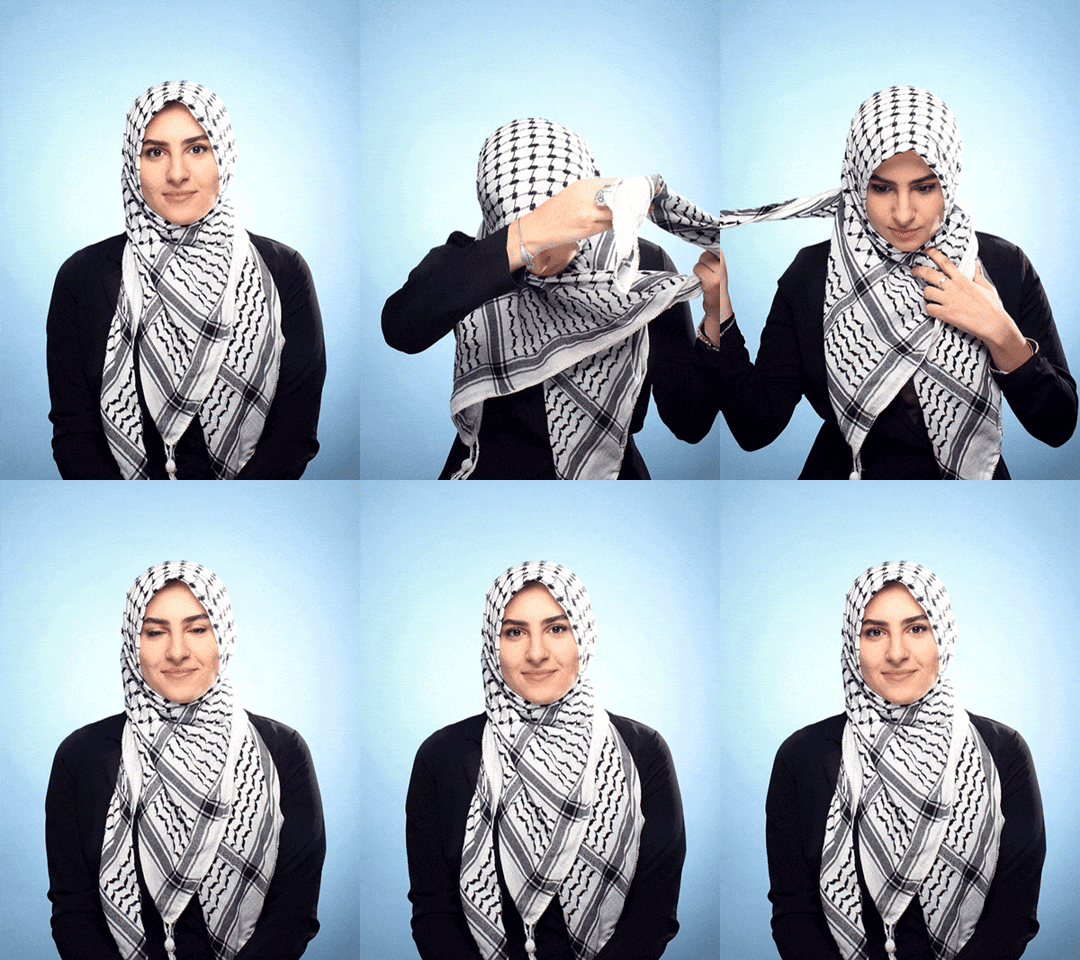
There’s this long withstanding prejudice against Muslim women being constantly oppressed. For the most part, many think they are because of the burqas, hijabs, or niqabs they wear.
Generally, Muslim women wear headscarves in front of any male outside their immediate family. Many believe these headscarves help curb male sexual desire—which doesn’t even begin to uncover the truth.
In reality, some women in Islam wear the hijab to show pride in their faith and ethnic identity. They also wear them to assert their independence. For many, their clothes and headscarves are a tangible connection between themselves and their religion, which they wear confidently.
3. They can wear makeup, too!
Modesty and traditionalism are part of many Muslim women’s lives. Many teachings tell them to practice humility and simplicity. But, this doesn’t imply they cannot wear cosmetics.
Legally, makeup is allowed for hijabi Muslim women. However, they can only apply makeup to beautify themselves for their husbands and families—instead of for other people.
Nonetheless, due to stereotypes and archaic notions, many modern Muslim women wear makeup to express their creativity. They paint themselves with cosmetics and wear other beautiful adornments while still adhering to tradition.
4. Fashion is part of their lives
While religion expects Muslim women to be modest, it doesn’t restrict them from expressing their identity through fashion. This is especially true in today’s time when Muslim aesthetics have been making waves in the fashion industry.
Many Muslim models and designers have also made sure to change the narrative of Muslim women being outsiders to fashion and style. Hence, many women in Islam are now fashion icons and spokespersons for cosmetic brands and high-end designer clothing. Fashion makes it clear that Muslims are not only part of mainstream society, but they are also contributors to it.
5. They are free to chase their dreams
Muslim women can enroll in any university and degree they want. They can hold a job or participate in societal issues, should they wish to. While they also need to follow the Qu’ran’s teachings, they can pretty much follow their dreams, just as everyone else.
6. Many devoted Muslim women are feminists—despite many debates
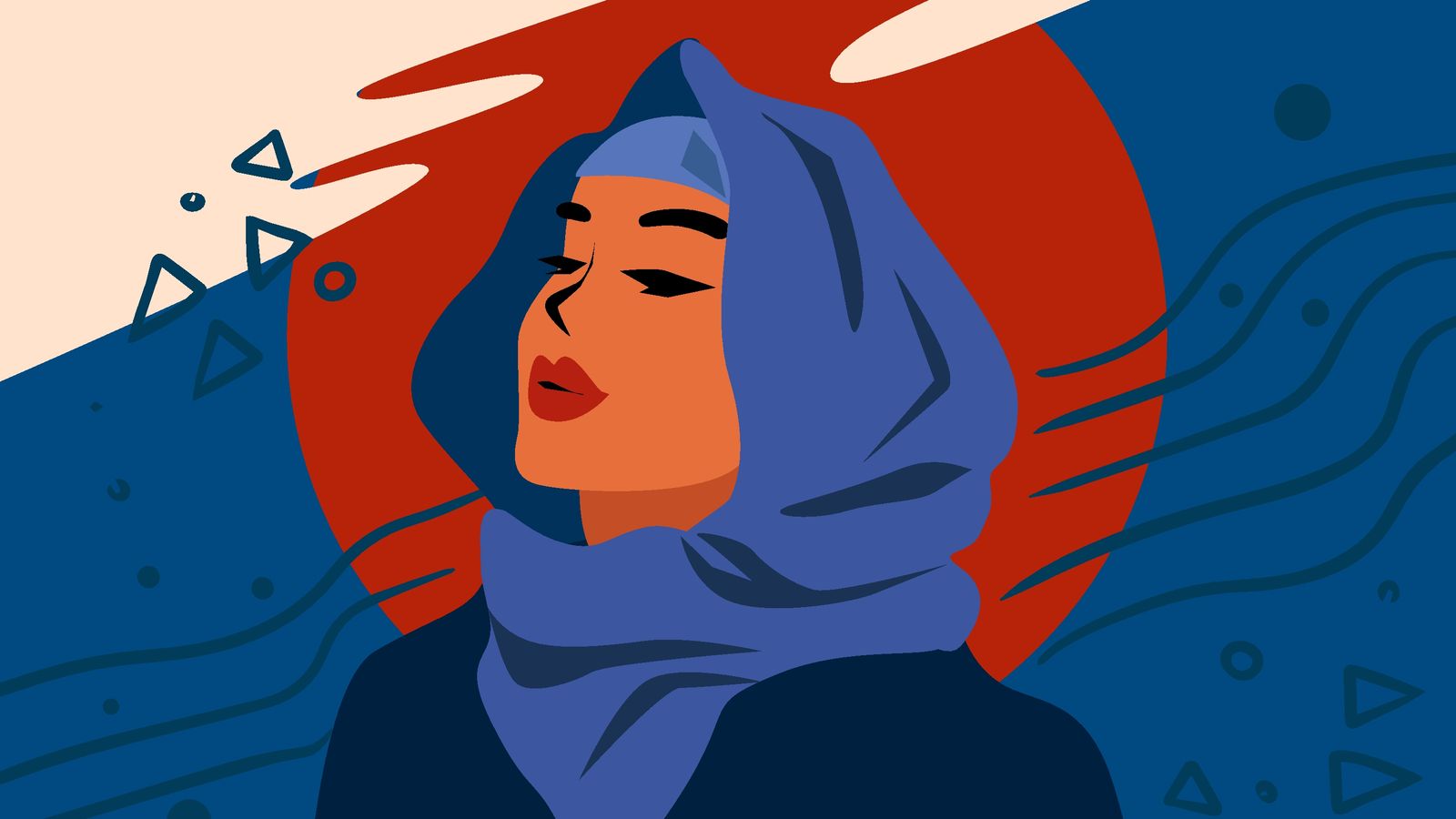
There is widespread debate around whether feminism and the Islamic faith can co-exist. Many believe they are contradictory ideas, considering that feminism is universalist and secular. While this may be true, feminism is more than that.
Feminism is a movement to advocate for women’s social, economic, and political equality. It doesn’t recognize any race, religion, or culture, so there isn’t any version to it—such as Islam, Asian, or American feminism.
Moreover, many feminist Muslims believe in the truth of Islam. They believe in Allah and understand the Islamic teachings. But, they also see the subordinate status of Muslim women in the community as a sign of inequality.
Feminist Muslims, therefore, fight to find ways to work within their Islamic faith. Similarly, they believe the real key to legal reform in the Islamic world is not homegrown movements or reinterpretation of the Qu’ran. Instead, it’s women gaining significant political power: without power, no interpretation, and without variation, these verses are just words on a page.
Islam feminists also try to change the discourse by showing faith and community leaders that religion and feminism are intertwined. They hope to display that women’s rights are fundamental to their religious teachings.
7. Getting to know Muslim women
When you meet a Muslim date or friend online, it’s essential to know them thoroughly. For the most part, it helps clear the stereotypical assertions and prejudices you heard about them.
That way, you know them well enough not to believe the generalizations portrayed in the media. To get to know a Muslim woman, you only have to remember two things:
8. They are not that different from anyone else
Although Muslim women grew up in a stricter society, they are almost the same as any woman you see in your local coffee shop.
Do you find a group of women across your table talking about relationships, work, tv shows, or their recent travels? Muslim women talk about those same things too.
When you think about women in Islam, it’s okay to strip away their religious leanings and see them as ladies. If you do this, it’s easier to view them for who they are.
9. Be their friend
The surest way to get to know Muslim women is through friendship. It’s easy to form judgments when you don’t know someone personally. When you develop a deeper connection with these women, you see their hearts and understand their psyche.
Nonetheless, if you want to know a Muslim woman, you’ll have to exert effort to reach out and befriend one. Learn everything about them and give them the benefit of the doubt always. And, who knows? You two may end up liking the same things—or each other!
10. Take them with a pinch of salt, yeah?
No one enjoys stereotypical comments about them. Muslim women, in general, have earned unpopular opinions. But as far stereotypical comments go, they don’t offer a complete scenario.
Whether you’re dating a Muslim woman or currently forming a great friendship with them, always take them with a pinch of salt. Don’t judge them before they get to show you who they are.