How Muslim Culture Impacts Dating
Dating norms vary from culture to culture.

Dating norms vary from culture to culture. What Christian couples do may not apply to Muslim culture standards all the time because of the differing beliefs. While that isn’t a big problem per se, it can definitely get challenging (or annoying), especially for modern couples.
Does this mean throwing your beliefs to get with the times? The answer: not necessarily. However, you may need to change and adapt.
For this entry, let’s discuss Muslim culture’s impact on dating. From there, you can figure out how to navigate through the slippery slope of conservative cultures while dating in the modern age.
1. From sending mixtapes to sliding into DMs: how the dating game changed
Before we get to anything specific, let’s start with a recap on dating’s progress. How did we get here? Let’s hop on the time machine a bit and take a trip back in time for a history lesson.
2. Going old-school
Before the internet age, dating was a completely different ball game. Men had to go the old-fashioned route and court the person they were interested in. Courtship was a rigid process with rules (calling the parents, visiting the woman’s house, etc.). When the 1920s rolled in, things became a little looser. Here’s what historian Beth L. Bailey had to say about that in her book, From Front Porch to Back Seat: Courtship in Twentieth-Century America:
Dating had almost completely replaced the old system of calling by the mid-1920s—and, in so doing, had transformed American courtship.
People started going out and paying for dates, with the men footing that bill. The 1970s saw personal ads popping up in newspapers for lovestruck singles. Back then, the ad content reflected the period’s gender norms; if men were stressed out by their finances and jobs, women prioritized physical attributes.
While that was going on, the feminist movement encouraged women to step out of their men’s shadows and build independence. Marriage became an option rather than the only target upon entering relationships.
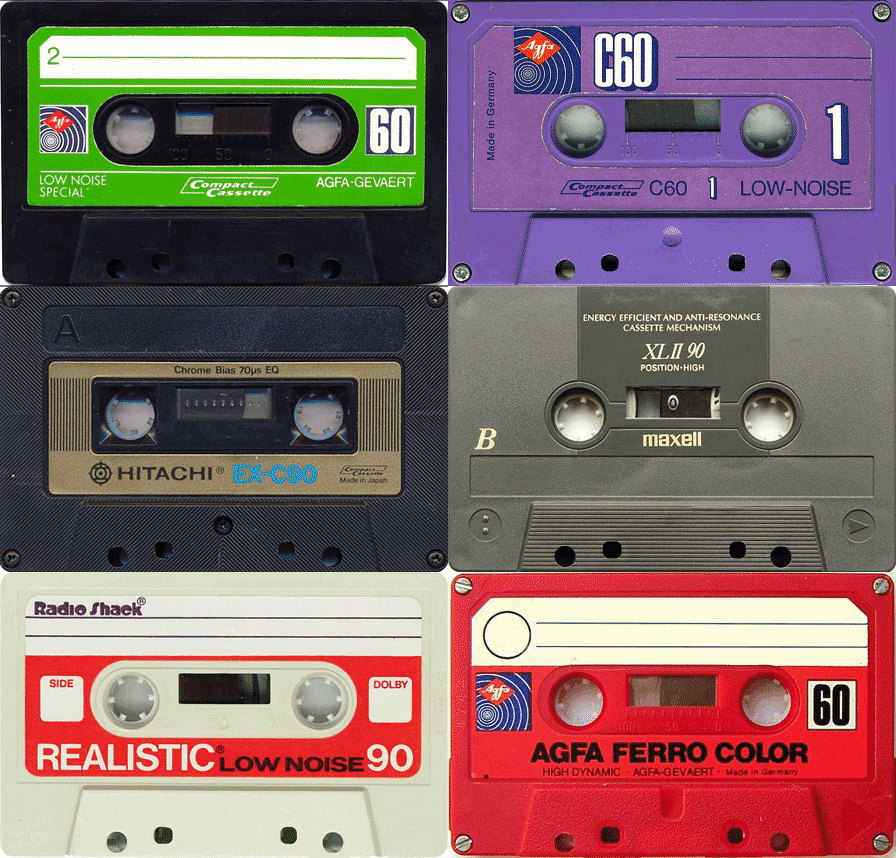
The 70s was also the age of mixtapes.
During the 70s, online dating became a reality—yes, you read that right! Harvard students Jeff Tarr and Vaughan Morrill built America’s first computer-based matchmaking service back in 1965 and haven’t looked back since. Here’s how it worked: people would shell out $3 and send over a 150-question survey about themselves and their preferences. Once receiving the questionnaires, the Harvard twosome would run them through a huge IBM 1401 computer that picks out matches. Six names (and their contact info) were mailed back to clients to get the ball rolling.

Hooking up became a thing in the 1980s. Before that, it used to mean casually picking someone up from events like parties. The decade saw a shift in that definition: hooking up became making out and—what we currently associate it with—having sex. And since the AIDS crisis came about during this decade, safe sex became a non-negotiable.
The 90s saw the rise of texting and speed dating. This particular decade also gave birth to dating sites such as Kiss.com and Match.com, launching a year apart from each other. These sites are different from Tarr and Morrill’s approach, producing quicker responses. Films like You’ve Got Mail helped normalize the idea of meeting people online, squashing doubts from hesitant singles.
Enter the 2000s: Craiglist’s Missed Connections reflected the shift to technology. Skype’s launch in 2003 helped long-distance relationships be more feasible, with time zones and borders becoming a non-issue. Facebook’s now-defunct Poke feature ushered in digital flirting’s rise.
3. A new age
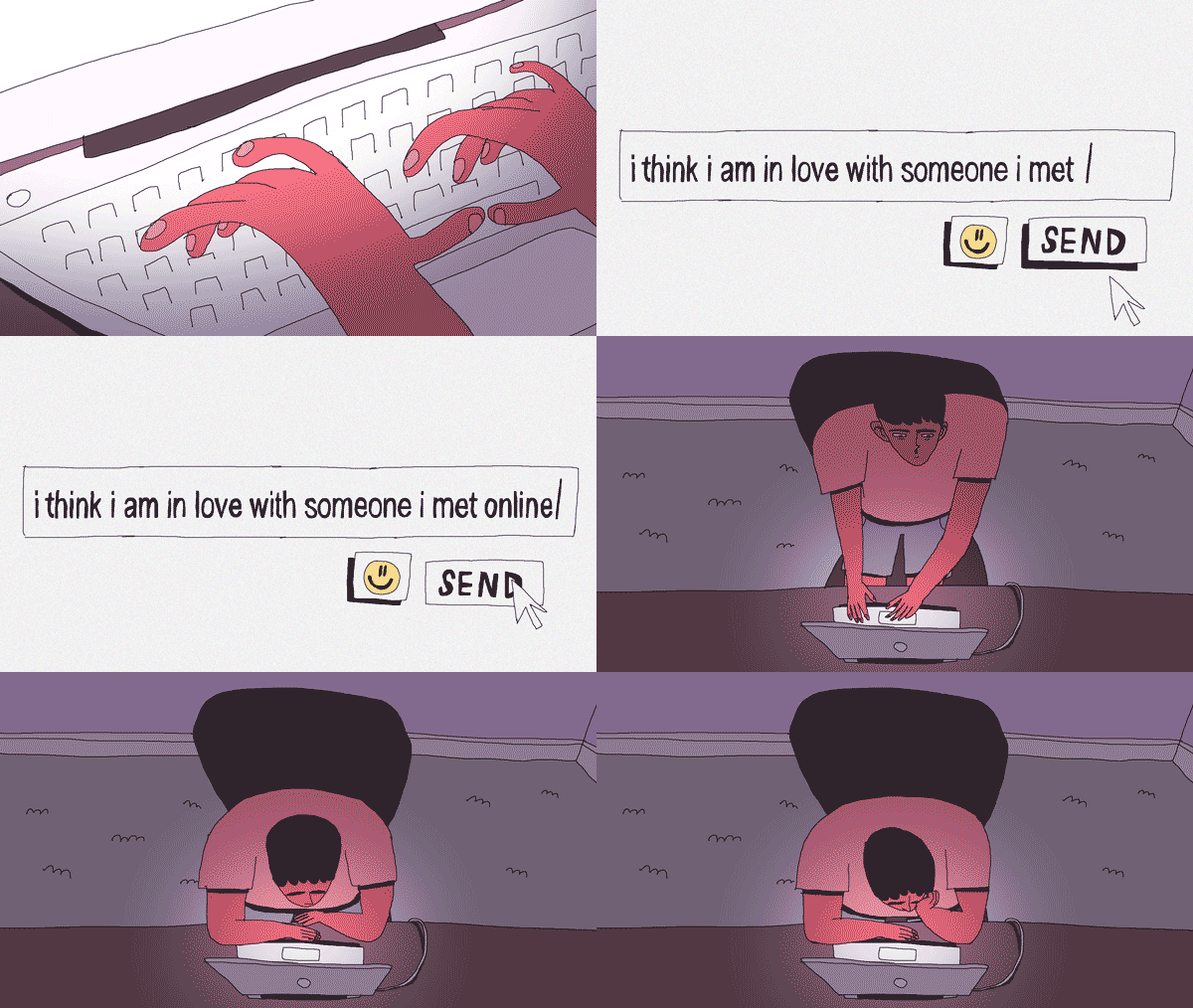
The 2010s saw almost everyone on the planet using social media. Its rise made the world a little smaller since people could interact in just a few clicks. Swiping (left or right) became a phenomenon thanks to dating apps. Another popular trend? Of course, people have slid into someone’s DMs (direct messages).
Unfortunately, online dating has its pitfalls as convenient as it becomes. One of them is catfishing—somebody pretending to be someone else using fake photos and info. Another downside is your match suddenly disappearing from your (blossoming) relationship, a.k.a ghosting.
Now that we’re in the 2020s, some folks have experienced dating fatigue. The pandemic isn’t doing anyone favors here either. Swipes and hookups aren’t for everybody, and that’s understandable. You don’t have to push yourself to do these things if you don’t want to.
4. Traditional Muslim dating practices
When it comes to dating, Muslims usually follow different approaches from modern ones. Muslim culture is a strong one, so this shouldn’t come as a surprise. Muslims typically meet their partners through their network of friends. Families have a say in their children’s relationships, doing their homework on potential partners.
Before things start, singles would make a personal plea (du’a) to Allah for guidance in choosing their partner. Afterward, the family comes in and makes their matchmaking suggestions. Once they have their prospects down, the parents approach their preferred match’s family to set up a meeting.
In the meeting, the parents act as chaperones for their children. This supervision aligns with a traditional belief (maharam) that a woman shouldn’t be alone with a man unless a relative accompanies them. If the guy and the girl hit it off, families can dig deeper into the match to ensure they’re onto something good. Before doing anything major, the (potential) couple asks for further guidance from Allah (Salat-al-istikhara). From there, they decide to either stick together or go their separate ways.
5. When Muslim culture and modern dating meet
Since Muslim culture is relatively conservative, Muslim singles definitely feel its impact. Hookups and casual relationships are seen as offensive acts. In general, dating is not encouraged since it’s viewed as Western. Intimacy is only inoffensive when already tied the knot.
According to Minder founder Haroon Mokhtarzada, the disapproval from older Muslims stems from the fear of being the subject of gossip rather than the act of dating itself. He tells NPR:
I don’t think it’s the parents who are worried for themselves because they don’t want their daughter talking to a guy or whatever, as much as it’s them worrying about their family name and people talking and becoming part of a gossip mill.
Muslim millennials and Gen Zers are bucking from their norms and asserting their independence. Like many of us, they seek out matches on dating apps. The lingering feeling of doing something taboo’s still there, but they press on. Whatever they do, they’re aware that people will talk anyway, so why not carry on?
Now that you see how Muslim culture affects dating, we hope you have a meaningful takeaway from this post. Whatever you decide next is entirely up to you, so think things through and look before you leap!