Muslim Arranged Marriages and its Nuances
So much ink has been spilled about many unhappy married couples’ take on arranged marriages.
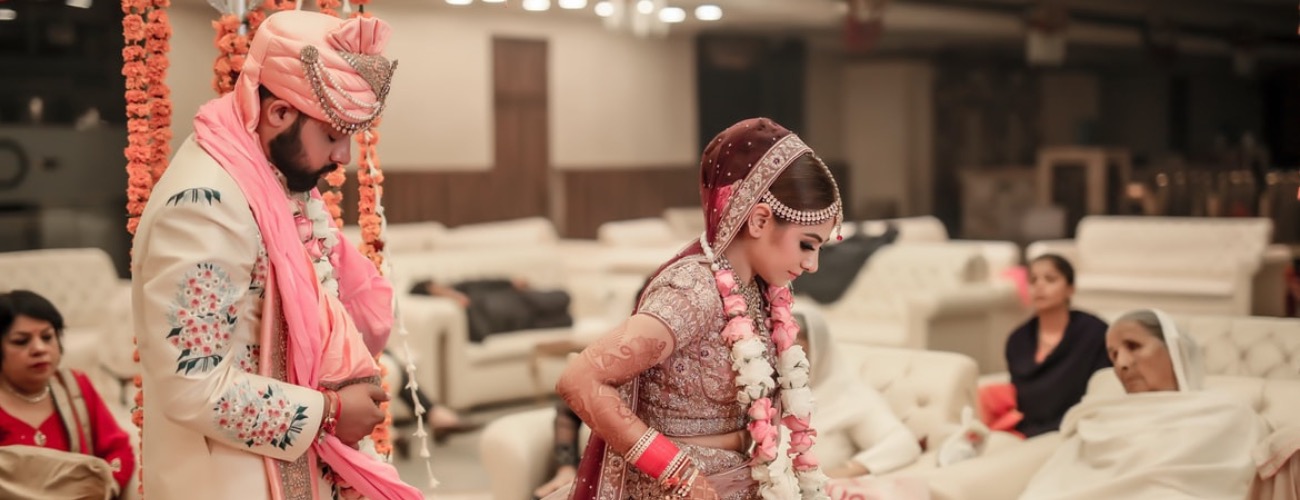
So much ink has been spilled about many unhappy married couples’ take on arranged marriages. Over time, arranged marriages—especially those concerning Muslims—have been equated to misery and suffering.
In reality, though, arranged marriages aren’t all terrible. It isn’t purely black and white; there are also gray areas that make you want to consider the concept. It’s especially true when your love life has been in a rut for a long time.
Hence, it’s safe to say that there are nuances to arranged marriages. These often run from horrible to beautiful. If you’re here for the better portion of that spectrum, then this post is for you!
1. Arranged marriages—how they started and how it works
Arranged marriages are a kind of marital union where the parents get to pick a pair for someone in the family. It is a practice of finding a suitable match for a single person, sometimes with that person’s consent or involvement.
Family members such as the parents, grandparents, aunts, or uncles mainly make this arrangement. In some cultures, parents would hire a professional matchmaker to help them find a spouse for their kids.
2. How did it start?
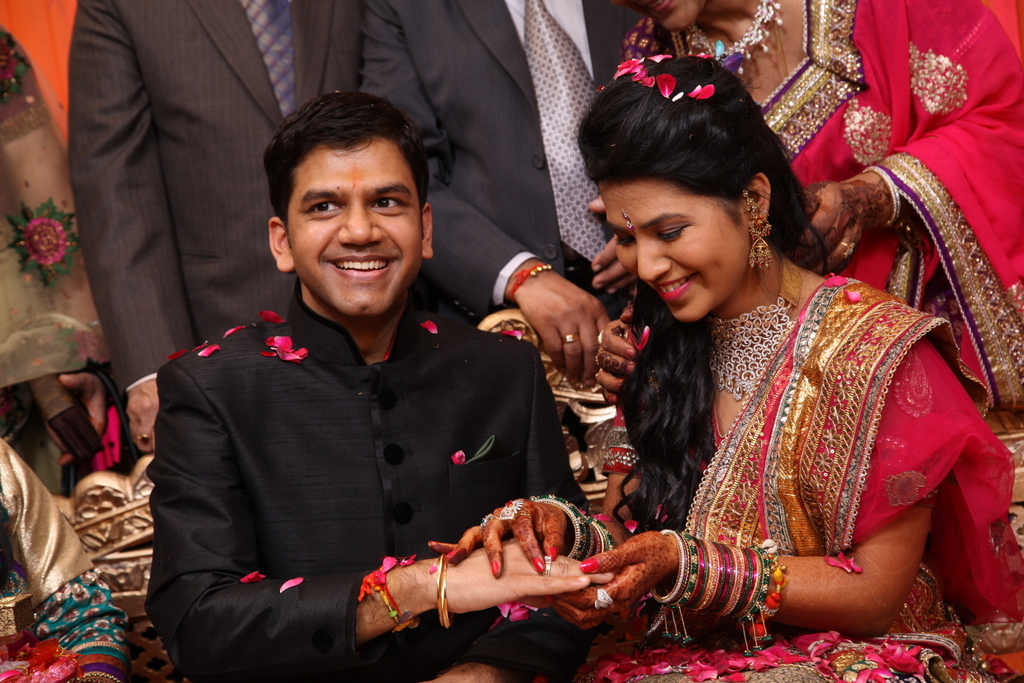
Arranged marriages have historically been well-known in many cultures worldwide. It began as a way of uniting royalty and the upper classes. This move often always boosts both their social status and financial assets.
Over time, the concept of arranged marriages spread to lower-class households. However, they observed the method for various reasons. It has often helped provide equal stature and cultural identity beyond financial stability and social recognition.
But it didn’t last long—the concept declined during the 19th and 20th centuries. While it has been seen as “a relic of a bygone age” by people, especially in the west, the practice remains typical in areas like the Caucasus, the Middle East, North Africa, and South Asia.
3. How does it work?
In many ways, arranged marriages and dating services work in similar ways.
Parents in the past would write up a bio of their child’s personal information, such as hobbies and vital statistics. Occupation, income, religion, description of physical appearance, and—depending on a culture—caste are also listed. They would then share this roster with the parents of potential partners. In some cultures, parents would even hire a professional matchmaker to help them find a spouse for their kids.
In many parts of the contemporary world, arranged marriages are still prevalent. But, society has been moving toward giving the children more say in their partners. Individuals in the dating roster can object to a pairing they never wished to materialize.
However, in some cultures, parents still don’t allow young individuals to express their opinion on their own (future) marriage. And, almost always, they’re the ones that begin an uprising. That, and the idea that men and women are reduced to a set of qualities and made feel like they’re prized goods.
Nevertheless, there are also positive outcomes to arranged marriages.
4. The Nuances of Arranged Marriages
Traditional arranged marriages centered on the parents’ being in total control or imposition on a prospective union is a thing of the past. Arranged marriages are not as bad as what television or movies have painted them to be. There are also some great things about it.
Not convinced enough? Below are a few of the nuances of arranged marriages:
5. Forced-arranged marriage
A forced-arranged marriage is a marriage arrangement where a bride, groom, or both are neither consulted nor have any say on a setup. It also falls under the forced-arranged marriage scope if couples experience emotional intimidation or physical abuse from their parents or relatives right before the marriage. Many forced-arranged couples don’t even get to meet each other until the wedding day.
What Young Indians Think of Arranged Marriage | ASIAN BOSS
With this, forced-arranged marriages really are way too different from arranged marriages. In an arranged marriage, a bride and groom can agree (or disagree) to a marriage agreement set by their families. Meanwhile, consent isn’t available in a forced-arranged marriage.
6. Consensual- or semi-arranged marriage
In consensual- or semi-arranged marriages, parents (or grandparents) will help their children find a suitable match, but the latter will choose who to marry. With this arrangement, parents and their children have equal control; control here is a shared element.
Parents in this setup will consult their children beforehand, and the latter can refuse an individual or an arrangement. This is no matter how their parents are for it.
Nonetheless, young individuals would date a prospective partner they feel is ideal. In many Muslim cultures, this process of going on dates (with a chaperone!) after the parents’ help is called halal dating.
7. Self-selected marriage
Self-selected marriage may be the better option for the whole arranged marriage spectacle. This is because young individuals can date whoever they wish to date. Or, check a dating roster, sift, and select a potential life partner by themselves.
Despite this free will, though, their parents have veto rights. Hence, they still need to get their folks’ approval to tie the knot.
8. Love-arranged marriage

Love-arranged marriages embody the younger generation’s free will to marry whomever they want. Children have control—if not total—when going on dates.
Most often, families in this type of arranged marriage aren’t involved in the relationship until a couple decides to get married. Hence, they can go on multiple dates and choose to introduce their dates to their folks whenever they wish. With this, some experts often reject the inclusion of the word ‘arranged’ in its term as it suggests a lack of control.
Nevertheless, once a couple in a love-arranged marriage format is ready to tie the knot, they’d approach their families to arrange a formal introduction. After this, couples would go on parent-approved courtship before actually getting married.
9. Bottomline
Arranged marriages are often equated to rigidity, where a betrothed couple has no say in a pairing for their future marriage. But, this isn’t precisely what arranged marriages are—there are different kinds of them.
As we said, arranged marriages run from horrible to beautiful. Hence, what may be true for some will not be automatically true for you. We have all unique life and love journeys, after all. You just have to believe that yours will be as lovely as you’ve hoped and dreamed.